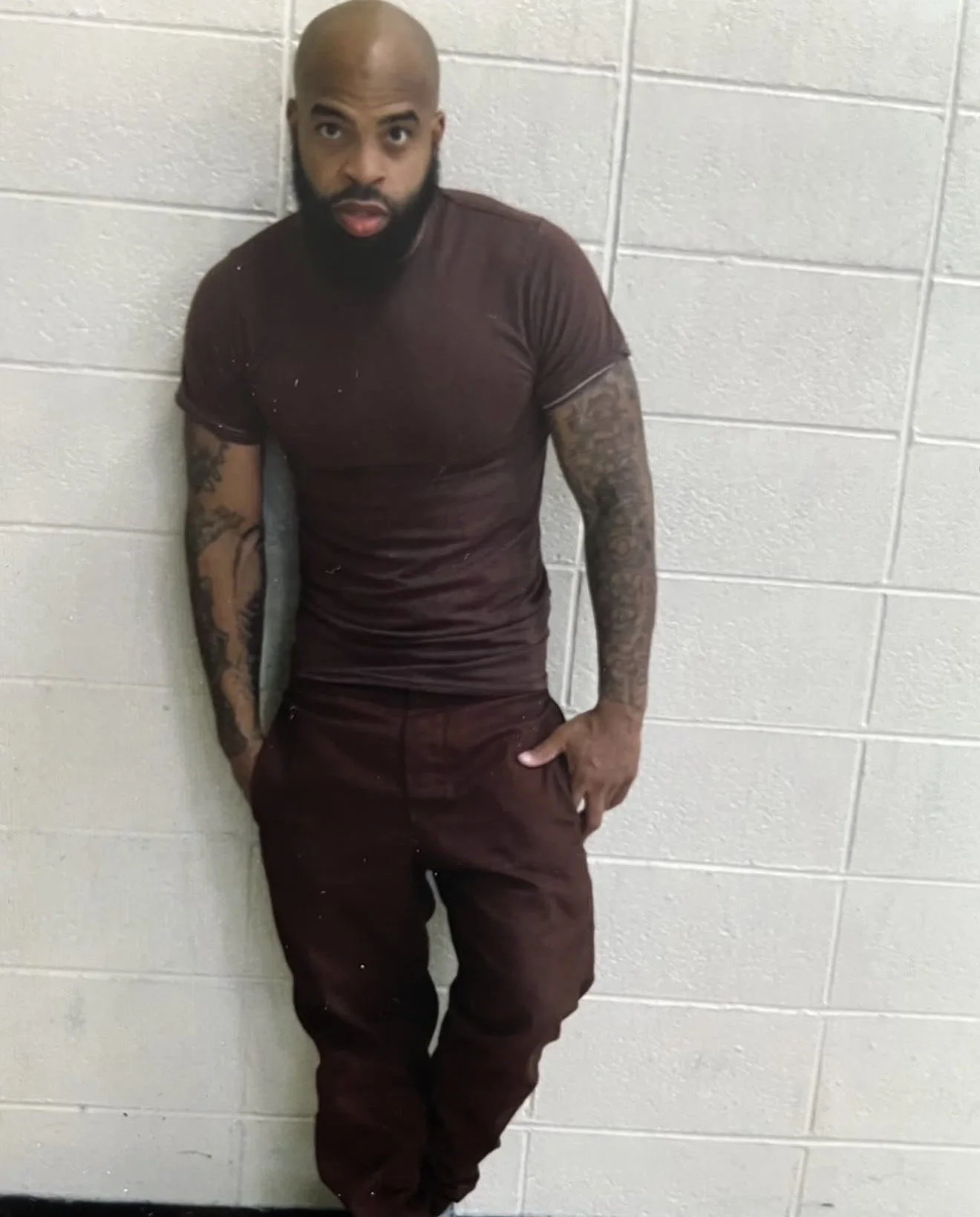
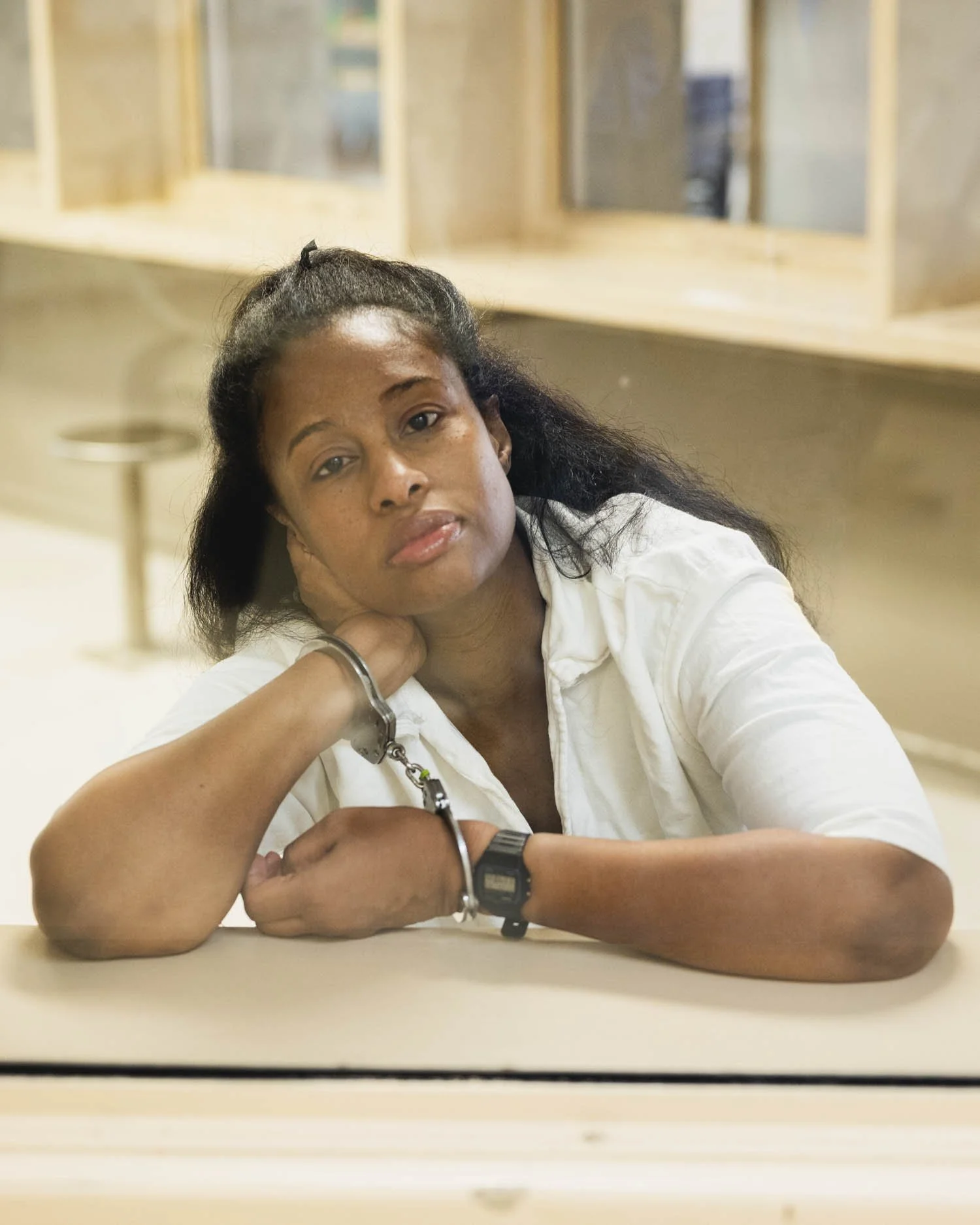
Our Incarcerated Research Fellowship
We develop the capacity of imprisoned people to engage in social movement research, data collection and analysis around issues of importance to them.
About the fellowship
Imprisoned people are experts about their own experiences.
This fellowship is designed to provide imprisoned people with the funding, training, mentorship, and resources needed to deepen their knowledge of participatory research methods, abolitionist theory, and the criminal legal system so they can contribute to movement scholarship. Why is this important? Unlike other approaches to research that rely heavily on institutional statistics or are developed exclusively by people who are not incarcerated, our participatory approach supports incarcerated people in developing research and analysis about their own political conditions.
We designed this fellowship to provide the training and resources needed for imprisoned people to produce their own research about the issues of importance to them and identify the solutions to these problems. Early on, we recognized there is a tendency by advocacy organizations to dictate which policies should or should not be changed with often limited or no input from currently incarcerated people. These interventions marshal considerable resources and have a lot of influence over the public discourse on criminalization and incarceration — so what they do matters. Our hope is that through The Work and Us, imprisoned researchers can shift focus in the advocacy and organizing space toward the problems that are of most significant consequence to people inside.
Our Fellows